
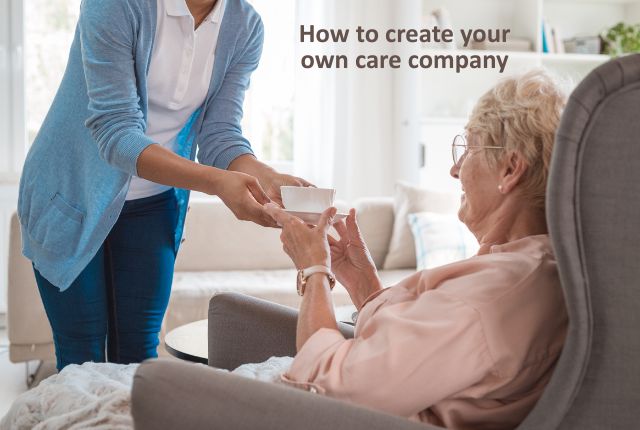
For many entrepreneurs and health professionals, starting your own health or social care business is an exciting step. Whether that be delivering personal care on a domiciliary basis to help people live independently in their own homes or supported living for those individuals with learning disabilities to live in supported accommodation, is a is deeply rewarding concept.
But where do you start? And what do you need to get right from the outset?
Well, here’s a clear, step-by-step guide to help you turn your vision into a thriving, compliant business.
1. Understand what delivering both of these care categories involves
Domiciliary personal care (sometimes called home care) covers a wide range of services, from helping people with washing, dressing, and meals, to providing medication support and companionship. A supported living service enables individuals with learning disabilities to live as independently as possible either, in their own homes, or in supported accommodation with personalised support tailored to their needs.
Before you launch, you need to define your service offering. Here are some questions to ask yourself:
* Will you focus solely on personal care (regulated by the Care Quality Commission)?
* Will you include other services like supported living for those people with learning disabilities, live-in care, palliative care, or respite care?
Being clear about what you’ll deliver helps shape your business model and registration process.
2. Develop a robust business plan
3. Register with the Care Quality Commission (CQC)
If you’re providing personal care combined with supported living in England, registration with the CQC is mandatory.
You’ll need to:
* Apply for the right regulated activity (typically “personal care”).
* Appoint a Registered Manager or Nominated Individual who meets the CQC’s “fit and proper person” criteria.
* Prepare detailed policies and procedures covering safeguarding, infection control, complaints handling, training, and more.
* Show you meet the CQC’s fundamental standards for safe, effective, caring, responsive and well led compassionate care.
Don’t underestimate this process as it takes time and requires clear documentation. Getting professional support can make a big difference.
4. Build the right team
Your staff are the heart and soul of your care business.
You must recruit carers who are not only qualified but also share your values of compassion, dignity, and respect.
You’ll also need:
* A Registered Manager (if you’re not taking this role yourself).
* A support team to handle scheduling, payroll, and compliance.
Investing in your people with thorough training, both for new starters and ongoing professional development, and the quality of your team will set you apart you’re your competitors.
5. Set up your systems
Efficient systems save time, increase operational efficiency and most importantly and reduce stress.
You’ll need to consider:
* Care planning software – to manage visits, keep records, and track outcomes.
* HR and payroll systems – to stay on top of compliance and payments.
* Policies and procedures – for everything from data protection to whistleblowing.
These systems aren’t just for convenience but are vital for compliance and quality care delivery.
6. Secure funding
Creating a care company business model isn’t cheap. Costs include CQC service user fees, insurance, staff recruitment, training, and technology.
There are funding options which may include:
* Government-backed Start-Up Loans.
* Grants from local authorities or social enterprise funds.
* Social investment if you have a strong community impact model.
Getting professional support can make a big difference during this critical phase.
7. Build your brand and market your services
Once your foundations are in place, it’s time to attract clients.
Here are some vital things that you must do:
* Create a strong brand identity – a name, logo, design style and messaging that communicates trust and professionalism, but also importantly captures the essence of your vision and values.
* Build a website that explains your services clearly and helps people contact you easily.
* Register and optimise your Google Business Profile – essential for local search visibility.
* Use social media (especially LinkedIn and Facebook) to build connections with referral partners and families.
Word-of-mouth and partnerships with stakeholders such as GPs, hospitals, and local authorities will also be key to growing your client base.
8. Stay compliant and continuously improve
Once you’re up and running, your focus must be on delivering safe, high-quality care.
You will need to:
* Stay up to date with CQC requirements.
* Regularly review your policies, staff training, and client feedback.
* Be proactive in addressing issues before they escalate.
Strong governance builds trust, with regulators, clients, and your community.
Final Thoughts
Whatever the shape, creating a care business takes planning, compliance, and resilience. But with the right strategy, team, and support, you can create a business that truly changes lives.
We’ve helped many health and social care entrepreneurs turn their ideas into thriving businesses. If you’re ready to take the first step, with a hands on service on your behalf, we can support you through every stage, from shaping your vision to CQC registration and beyond.
 Call Now